
Stay Ahead with Exclusive Offers and Expert Tips!
Join our newsletter for special discounts, seasonal sales, expert SEO tips, and tricks to boost your rankings. Don’t miss out—subscribe today and take your strategy to the next level!
Join our newsletter for special discounts, seasonal sales, expert SEO tips, and tricks to boost your rankings. Don’t miss out—subscribe today and take your strategy to the next level!
Start your websites journey to the top today! Our complete website audit provides you with the information you need. This will help you improve your performance and rank on the search results page.
– Performance Report
– Backlink Overview
– On-Page SEO Audit
In SEO, the smallest details can make a big difference, yet some are often overlooked—like alt text.
Alt text, short for alternative text, is more than just a description for images. It plays a vital role in both accessibility and search engine optimization, offering context for search engines and aiding visually impaired users.
But why does alt text matter for your SEO performance?
In this guide, we’ll break down the impact of alt text on your website’s search visibility and rankings. From its role in improving web accessibility to practical tips for writing effective alt text, we’ll cover everything you need to know.
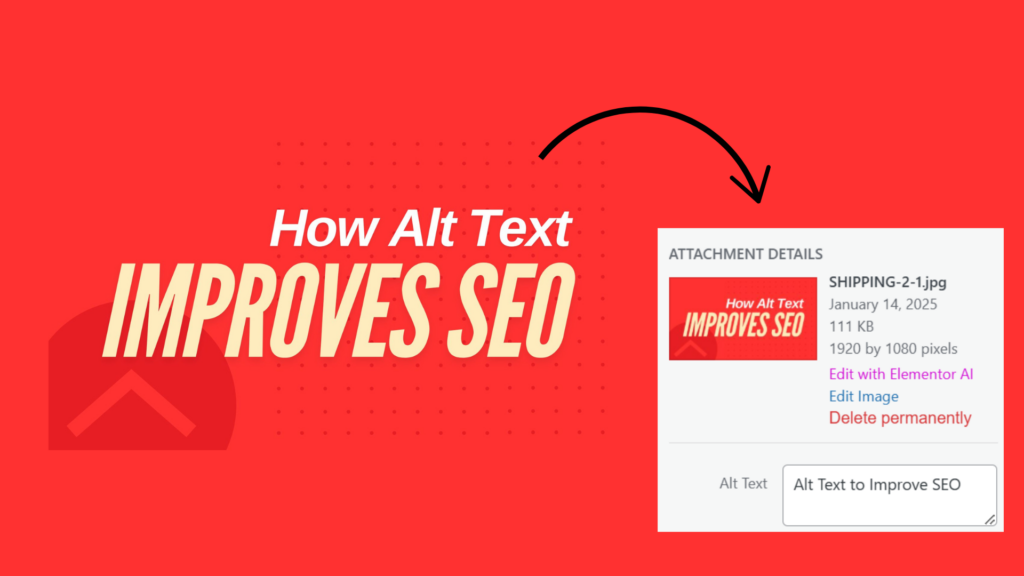
Alt text is more than just filler for images. It’s a critical aspect of on-page SEO optimization. When search engines crawl your site, they rely on alt text to understand the content of images. This process improves indexing and helps your images appear in search results.
Including alt text ensures your site is accessible to all users. It offers descriptions for visually impaired visitors using screen readers. This improves user experience and complies with web accessibility standards.
Alt text also influences search engine rankings. Well-crafted alt text can boost your website’s relevance. As a result, your site stands a better chance of ranking higher in search results.
To gain these benefits, understand the elements of strong alt text:
Keywords play a role, but avoid stuffing them in. Keyword stuffing can harm your site’s credibility. Instead, focus on natural, meaningful descriptions.
Alt text is a valuable asset. When done right, it can significantly impact your SEO efforts. It’s a small yet mighty tool in your SEO arsenal.
Web accessibility is essential for an inclusive internet. Alt text plays a pivotal role in achieving this goal. By providing descriptions of images, alt text assists visually impaired users. It bridges the gap between visual content and these users, enhancing their overall experience.
Screen readers use alt text to convey image content. This textual description allows users to understand the image’s context without seeing it. In turn, this fosters greater engagement and inclusion.
Ignoring web accessibility can have legal implications. The Americans with Disabilities Act (ADA) requires websites to be accessible. Using alt text is a straightforward way to comply with such regulations.
Improving accessibility through alt text also benefits your site. It broadens your audience and reflects positively on your brand’s commitment to inclusivity. A website that values accessibility is more likely to build trust and loyalty.
Search engines cannot see images as humans do. They rely on text to interpret content. Alt text provides this essential context. When search engine bots crawl your site, they read alt text to determine what the image represents.
Accurate alt text helps improve image search results. By providing clear descriptions, search engines can better index your images. This indexing is crucial for making your content discoverable.
Alt text also contributes to overall page relevancy. When aligned with the page’s content, it signals to search engines the image’s significance. This relevancy can boost your page’s rank in search results, leading to increased traffic.
Additionally, alt text assists in the optimization of mobile search. With more users on mobile devices, optimizing for mobile SEO is vital. Alt text enhances your site’s mobile experience, contributing to better SEO outcomes.
Incorporating effective alt text across your site is not just about compliance but also about SEO strategy. It ensures search engines understand your site’s content, maximizing visibility and engagement.
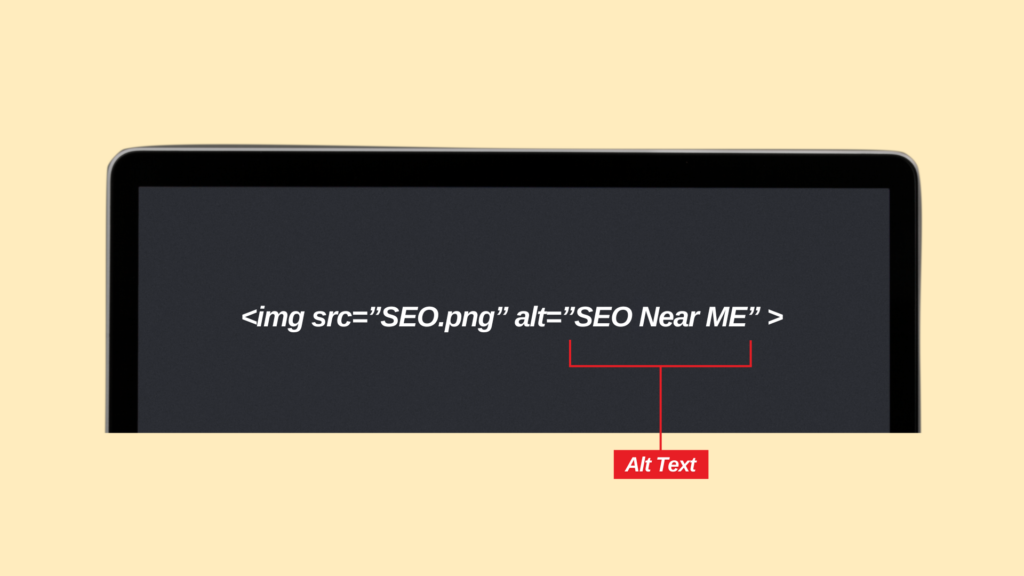
Crafting effective alt text requires balancing accessibility and SEO. Start by providing a clear description of the image. This helps both users and search engines understand its context.
Keep your descriptions concise. Alt text should usually be under 125 characters. This length is optimal for screen reader compatibility, ensuring the message is clear.
Avoid generic phrases like “image of” or “picture of.” These offer no value and bloat your text. Dive directly into what the image depicts instead.
Integrating keywords is essential, but do it naturally. Your primary focus should be on relevance, ensuring that the alt text matches the image and the page content.
Consider the user’s perspective. Describe the image as if the user is viewing it for the first time. This user-centric approach often leads to better alt text.
Focus on specificity. For example, instead of saying “dog,” specify “Golden Retriever playing in a park.” Such details enrich the user’s understanding.
Identify the Image’s Purpose: Determine what the image conveys within the context of your page.
Describe the Image: Use clear language to provide a succinct but descriptive text.
Incorporate Keywords: If applicable, seamlessly integrate a relevant keyword into the description.
Keep It Short: Limit alt text to a length that’s manageable for screen readers and easy to read.
Avoid Redundancies: Ensure that your alt text doesn’t repeat information present elsewhere on the page.
Use Natural Language: Alt text should read like a normal sentence. Avoid forced or stilted phrasing.
Test Your Alt Text: Use screen reader tools to evaluate how the alt text sounds.
Revise as Necessary: Regularly update your alt text to reflect content changes and ensure continued relevance and accuracy.
Avoid over-stuffing alt text with keywords. This practice can lead to penalties from search engines. Instead, aim for a balance between keywords and readability.
Repetition is another mistake. If an image is decorative, skip the alt text. This allows screen readers to focus on essential content, benefiting user experience.
Watch out for vague alt text. Non-descriptive text provides little value. Detailed descriptions enhance both accessibility and search engine understanding.
Never use the same alt text for all images. Each image should have unique text. This uniqueness contributes to better SEO results and user engagement.
Finally, avoid ignoring alt text altogether. It’s a significant component of on-page SEO. A website lacking alt text misses out on crucial accessibility and optimization benefits.
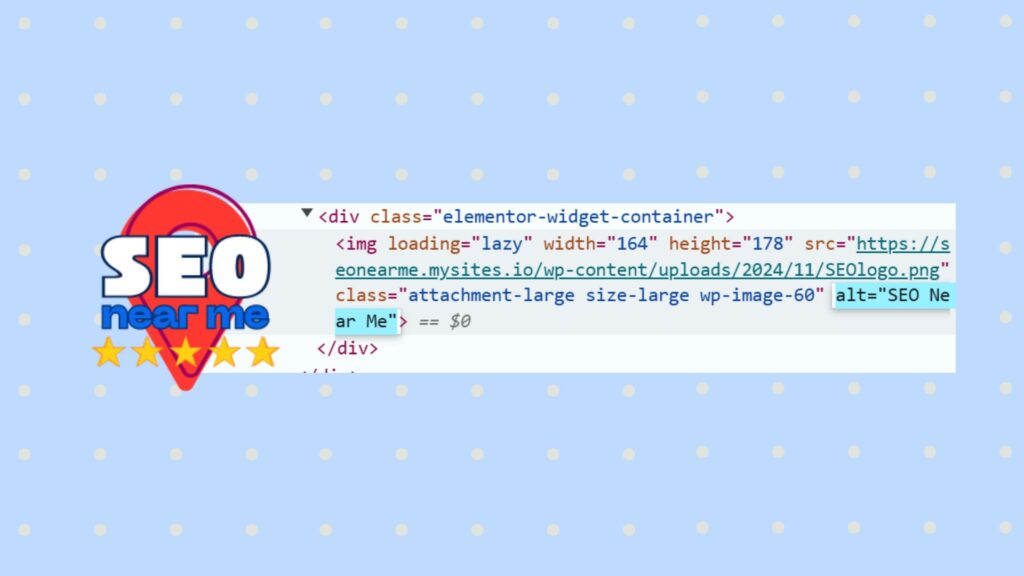
Alt text plays a crucial role in enhancing image visibility on search engines. Its primary function is to describe images for search engines and users alike. This dual function makes it a key player in search visibility.
Search engines can’t “see” images; they rely on alt text to understand visual content. Well-crafted alt text improves your chances of images appearing in search results. This can lead to higher website traffic and exposure.
Including relevant keywords in alt text is vital for search visibility. This ensures that your images appear in related search queries. But it’s equally important that these keywords are naturally integrated.
Quality content combined with strategic alt text can improve your site’s overall SEO. Higher image ranks contribute to better user engagement and retention.
Never overlook the power of alt text in your SEO strategy. With careful crafting, alt text can make significant contributions to your site’s success.
Alt text significantly affects how images perform in search results. When optimized correctly, images can appear more prominently in search. This visibility boost can lead to increased traffic to your site.
Images, when properly described, attract clicks from visual search users. More clicks lead to a higher chance of driving user engagement and potential conversions.
The traffic gained from optimized images translates to numerous possibilities. Your site can see better interaction and longer time-on-page metrics.
Keywords in alt text improve its search engine relevance. However, balance is critical. Overloading alt text with keywords, or “keyword stuffing,” is harmful.
Stick to one or two relevant keywords for each image. They should align naturally with the image’s description. This ensures the alt text remains helpful and accessible.
Rather than forcing keywords, focus on the image’s content. Tell a story that captivates users while integrating keywords. This nuanced approach satisfies both search engines and users.

Optimizing alt text is streamlined by using various tools and techniques. These resources ensure that your alt text is both effective and efficient.
Analytics tools help identify images that lack alt text or need improvement. Using these insights, you can prioritize your optimization efforts.
Automation plugins can assist by suggesting alt text based on image context. This feature is particularly valuable for websites with large image libraries.
Here’s a list of tools that can enhance your alt text strategy:
Utilizing these tools simplifies the process and improves alt text efficiency. With them, your alt text strategy becomes more manageable and impactful.
Regular auditing of alt text is crucial for maintaining SEO health. It ensures that all images are appropriately described and optimized.
Start by performing a site-wide check for missing or inadequate alt text. Use analytics to pinpoint areas that need attention.
Focus on updating alt text to reflect any changes in content or messaging. This keeps your site relevant and aligned with your SEO goals.
Moreover, refreshing old alt text with updated keywords can enhance search visibility. Regular audits help you stay ahead of SEO trends and maintain compliance.
Consider creating a workflow or schedule for ongoing alt text reviews. This proactive approach ensures consistency and quality across your website’s images.
Working with SEO consultants can significantly enhance your alt text strategy. Their expertise provides insights you might overlook.
SEO consultants evaluate your current alt text for effectiveness and relevance. Their assessments guide necessary adjustments.
Consultants also help integrate alt text with broader SEO practices. This holistic approach maximizes your site’s optimization potential.
Collaboration ensures your alt text aligns with your overall SEO goals. By leveraging their experience, you strengthen your alt text’s impact.
Additionally, consultants keep you updated on SEO trends. With their guidance, your alt text strategy remains competitive and effective over time.
Alt text remains crucial for effective SEO and accessibility. It bridges the gap between images and search engines.
Implementing alt text correctly boosts site visibility and user experience. Maintain focus on optimization to stay ahead in the digital landscape.